Communal area Cleaning in Streatham
Keeping shared spaces clean is one of the simplest ways to make a building feel cared for, comfortable, and easier to manage. For residents, landlords, managing agents, and businesses, Communal area Cleaning in Streatham is about more than appearance: it supports hygiene, reduces complaints, helps protect property value, and makes day-to-day life smoother for everyone who uses the building. Whether you manage a converted Victorian house near Streatham Hill, a purpose-built block close to Streatham Common, or a mixed-use property with shops and flats, a reliable cleaning service can make a noticeable difference.
Streatham has a wide mix of property types, from mansion blocks and apartment buildings to older terraces, HMOs, office suites, and newer developments. That variety means shared areas often need a flexible approach. Front entrances, stairwells, lift lobbies, bin stores, and internal corridors all see different levels of foot traffic and wear. A local team understands these pressures and can tailor cleaning routines to match the building, the residents, and the expectations of the people who live or work there.
If you are looking for a practical service that keeps communal spaces presentable and hygienic without unnecessary disruption, you are in the right place. This page explains what the service covers, how it works, what affects pricing, and why choosing a local Streatham cleaning provider can be a smart decision. Contact us today to discuss your building’s needs or request a free quote for communal cleaning support.
Why communal cleaning matters in Streatham
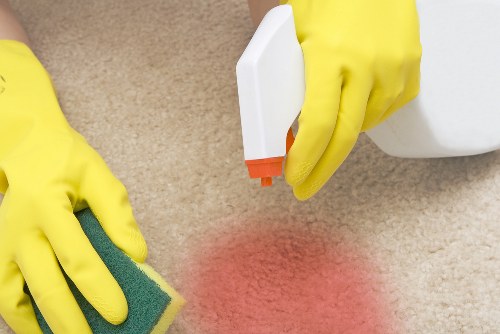
Shared spaces tend to show grime quickly. Mud from wet pavements, leaf debris from nearby streets and gardens, fingerprints on handrails, scuff marks on walls, and general dust can build up faster than many residents realise. In busy parts of Streatham, where people are coming and going throughout the day, these issues can make an entrance feel neglected even when the rest of the building is in good condition. Regular communal cleaning helps maintain a standard that residents notice immediately.
There is also a health and safety element. Staircases, bannisters, door handles, intercom panels, and lift buttons are all high-touch points that benefit from routine attention. Clean floors reduce the chance of slips, especially during rainy periods when shoes bring in moisture and dirt. Bin areas need careful treatment too, because odours and residue can become a recurring issue if they are left unchecked. A proper cleaning schedule supports both cleanliness and confidence in the building.
For landlords and managing agents, consistent shared-area maintenance can also help reduce complaints and protect the reputation of the property. Residents are more likely to respect a well-kept space, and issues such as littering or accidental mess are often easier to manage when a building already looks cared for. Professional communal area cleaning in Streatham gives you a simple, dependable way to stay on top of these everyday demands.
What the service includes
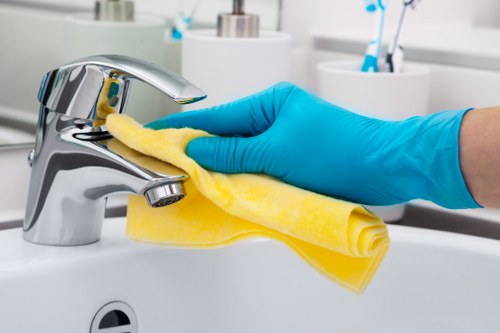
Every building is different, so the exact service should be shaped around the layout and level of use. However, most communal cleaning arrangements in Streatham include a combination of routine tasks designed to keep shared areas looking neat and sanitary. These tasks usually cover visible surfaces, floors, doors, and touchpoints, with extra attention given to places that collect dust and debris quickly.
Typical work may include sweeping, vacuuming, mopping, wiping down railings, polishing entrances, cleaning mirrors or glass panels where present, and removing cobwebs from corners and higher ledges. In some buildings, cleaners also handle the spot-cleaning of walls, skirting boards, light switches, and lift interiors. Where requested, they may clean internal windows in communal spaces or help keep noticeboards and door surrounds tidy.
To make the service clearer for property managers and residents, the work is often organised into a regular checklist. That may include:
- Entrance halls and vestibules
- Communal corridors and landings
- Stairwells and handrails
- Lift areas and control panels
- Internal glass and mirrors
- Shared kitchens or break areas in commercial buildings
- Bin stores and waste handling points
- Cycle storage and utility spaces
- Door frames, switches, and other touchpoints
For many customers, the value lies in consistency. A one-off tidy-up may help temporarily, but regular communal area cleaning keeps standards steady and makes the whole building feel better maintained over time.
Who needs communal area cleaning?

The service is useful for a wide range of customers across Streatham. Shared residential buildings are the most obvious fit, but communal spaces appear in many different property types. A clean entrance in a block of flats creates a much better first impression than one with muddy footprints and dusty corners. In an HMO, shared staircases and hallways can become busy fast, so keeping them clean helps preserve a calmer atmosphere for tenants.
Managing agents and landlords often need a dependable cleaning routine because residents expect shared areas to be looked after between repairs, inspections, and maintenance visits. Freeholders and residents’ associations may also arrange cleaning to keep standards consistent across the building. In commercial settings, offices, studios, clinics, and mixed-use developments often need communal cleaning for lobbies, access routes, washrooms, and shared staff areas.
Common customer groups include:
- Residential blocks with stairwells, entrances, and shared hallways
- Converted houses with multiple flats and narrow access routes
- HMOs where frequent use creates quicker buildup
- Managing agents looking for a regular, dependable service
- Landlords wanting shared spaces to remain presentable
- Commercial properties with shared entrances or back-of-house spaces
- Mixed-use buildings that need different areas handled carefully
In Streatham, where building styles vary from period conversions to newer apartment complexes, a good cleaning plan must be adapted to the property rather than forced into a one-size-fits-all routine. That is especially important where space is tight or residents have different schedules.
Local knowledge makes a difference
Choosing a local team for communal area cleaning in Streatham can save time, reduce disruption, and improve reliability. Local cleaners are more familiar with the kinds of property layouts common in the area, including narrow staircases, shared side entrances, basement access, and older common parts that may need a lighter touch. They are also more likely to understand the practical realities of parking, loading equipment, and working around busy roads.
Streatham includes a mix of high-traffic routes and quieter residential streets, and access can vary a lot from one building to the next. A local cleaner can plan around these conditions more effectively, whether that means arranging early-morning visits, handling limited parking, or working in a way that avoids interrupting residents leaving for work or school. This kind of practical awareness makes the service smoother for everyone involved.
Local knowledge is also helpful when buildings sit near busier areas such as Streatham Hill, Streatham Broadway, or routes connecting toward Norbury, Balham, or Norwood. Shared entrances in these places can collect dirt faster and may need more frequent attention. Streatham communal area cleaning works best when the cleaning schedule reflects how the property is actually used, not just what looks convenient on paper.
How the service works

The process is usually straightforward, which is important for busy residents and property managers. It begins with an assessment of the building, the number of floors or access points, and the type of shared spaces that need attention. From there, the cleaning plan can be shaped around how often the area is used and what level of finish is expected. Some buildings need weekly visits, while others benefit from more frequent cleaning due to heavy footfall.
Once the schedule is agreed, cleaners follow a planned routine that may cover the same tasks every visit or rotate additional work on a less frequent basis. For example, entrance mats and touchpoints may be attended to each time, while deeper dusting of high ledges or internal glass might be scheduled less often. This keeps the service practical while making sure key areas do not get overlooked.
In a typical arrangement, you can expect the following steps:
- Review the building layout and cleaning requirements
- Agree the frequency of visits and the main areas to be covered
- Set a checklist that reflects resident or management priorities
- Carry out regular cleaning at the agreed times
- Adjust the routine if the building’s use changes
Some properties need extra attention after works, tenancy changes, or seasonal weather. A local service can usually adapt more easily when those changes come up. If you are ready to improve the appearance and hygiene of your building, book your service now and arrange a cleaning plan that suits your communal areas.
What good communal cleaning should achieve

The goal is not simply to make shared areas look tidy for a day. Good communal cleaning should support a sense of order and consistency over time. When a building is cleaned properly, residents are less likely to walk past litter or dirt without noticing. The space feels easier to maintain, and small problems are more likely to be dealt with before they become larger ones.
A well-managed cleaning service should aim to achieve several outcomes. First, it should leave surfaces visibly cleaner and reduce dust, marks, and odours. Second, it should improve the experience of residents, visitors, and staff who use the building daily. Third, it should support property upkeep by reducing the gradual wear that comes from accumulated dirt, moisture, and grime. For blocks of flats and shared buildings, these benefits can make a real difference to how the property is perceived.
In practical terms, a strong service can help with:
- Cleaner entrances and communal hallways
- Reduced build-up of dirt on floors and skirting
- More pleasant bin storage and waste areas
- Better presentation for visitors, tenants, and contractors
- Less wear on common surfaces over time
Communal area cleaning in Streatham is especially useful in buildings where residents expect a tidy shared environment but do not want the hassle of organising ad hoc cleaning themselves. A regular service gives structure and peace of mind.
Cleaning challenges common in Streatham properties
Streatham properties bring their own cleaning challenges, and a service should account for them. Period conversions often have staircases, bannisters, and tight landings that gather dust and need careful attention. Modern apartment blocks may have glass, polished metal, and lift interiors that show fingerprints quickly. HMOs can have more frequent use of hallways, bins, and shared entrances, meaning dirt accumulates faster than in smaller household settings.
Weather also plays a role. During wet or windy periods, outdoor dirt can be tracked into hallways and lobbies more easily. Autumn leaves, winter slush, and general road debris can all make shared spaces harder to maintain. In buildings with residents coming and going at different times, keeping floors and entrance mats clean becomes an important part of reducing mess.
Parking and access can add another layer of difficulty. Some streets in and around Streatham have limited parking or tighter loading spaces, which can affect how equipment is brought in and how quickly the job can be completed. A local provider is often better placed to work around these issues and keep the service efficient without inconveniencing residents.
Preparing your building for communal cleaning
You do not need to do much before a visit, but a little preparation can help the cleaning team work smoothly. Where possible, residents or managing agents should ensure access is arranged and any special instructions are passed on in advance. If certain areas are sensitive, occupied, or temporarily out of use, that should be made clear so the cleaning can be carried out safely and without confusion.
Useful preparation steps include:
- Make sure the cleaner can access shared entrances and internal areas
- Remove personal items from communal floors or ledges where possible
- Let the team know about locked rooms, alarms, or restricted spaces
- Flag any areas that need extra care, such as recently painted walls
- Report spillages or urgent issues before the scheduled visit if possible
These small steps help the service run on time and reduce the chance of important areas being missed. They also make it easier to build a routine that suits both residents and the cleaning team.
What affects the cost of communal area cleaning?
Pricing for communal area cleaning is usually based on a few practical factors rather than a fixed formula. The size of the building matters, as does the number of floors, entrances, and shared rooms. Frequency is another key factor: a weekly visit will differ from a more frequent or a deeper maintenance schedule. The level of detail expected also matters, especially where the building includes lifts, internal glazing, or additional communal features.
Other factors can include access conditions, the time needed to complete the work, and whether the building needs occasional deeper cleaning as well as routine upkeep. Properties with awkward layouts or limited parking may take longer to service. Commercial buildings and mixed-use properties may also need a different approach from straightforward residential blocks. The best way to understand the likely cost is to ask for a quote based on the real layout and use of the premises.
Request a free quote if you want a cleaning plan shaped around your building rather than a generic estimate.
Why choose a local Streatham cleaning company?
There are good reasons to work with a team that knows the area. A local company is more likely to understand the pace of life in Streatham, the mix of building styles, and the practicalities of getting in and out of different streets. That can make appointments easier to manage and reduce delays caused by unfamiliar routes or access issues. For residents, that often means less disruption and a more dependable service.
Local providers also tend to be more responsive when your needs change. If a building has a turnover of tenants, seasonal visitor changes, or extra dirt after building works, it helps to have a team that can adapt without unnecessary complications. For managing agents and landlords, this flexibility can be just as important as the cleaning itself.
A Streatham-based service can also support a more personal approach. Rather than treating every property the same, the cleaner can tailor the routine to the building’s habits, priorities, and constraints. That matters in a neighbourhood with such a wide range of flats, houses, and commercial premises.
Areas covered around Streatham
Communal cleaning is often arranged across Streatham itself and nearby parts of South West London. Buildings in adjacent areas may also need regular shared-space cleaning, especially where residents commute through busy roads or where properties form part of larger estates. Because access and property style vary, it is helpful to choose a service that can cover the surrounding neighbourhoods as well as central Streatham.
Nearby locations commonly associated with this type of work include:
- Streatham Hill
- Streatham Common
- Streatham Vale
- Streatham Park
- Norbury
- Balham
- Tooting Bec
- West Norwood
- Upper Norwood
- Cricklewood-style mixed residential areas are not applicable here and should be avoided in local planning; focus instead on nearby South London neighbourhoods
If your building sits just outside the main Streatham area, it is still worth asking whether regular communal cleaning can be arranged. The key is matching the service to the property rather than drawing an arbitrary boundary around the work.
Frequently asked questions
How often should communal areas be cleaned?
That depends on how busy the building is. A small block with limited foot traffic may only need weekly attention, while a larger building, HMO, or commercial property may need more frequent visits. The right schedule usually depends on the amount of use, the season, and resident expectations.
Can the service include bin areas and entrance mats?
Yes. These are often important parts of the job because they collect dirt, odours, and debris quickly. Many customers want bin stores, mats, and entrance points included in the routine so the whole building feels cleaner and easier to maintain.
Do cleaners work around residents being at home?
Usually, yes. A professional communal cleaning service should be able to work at agreed times and with minimal disruption. In many Streatham buildings, visits are arranged for periods that suit the property’s routine and access requirements.
What if the building has awkward access or limited parking?
This is common in some Streatham streets, especially around older housing and tighter residential roads. A local cleaning team can plan for access issues, allowing extra time where needed and agreeing the best way to enter the property.
Can the cleaning schedule change if the building gets busier?
It can. If there are more residents, tenant turnover, building works, or a change in use, the schedule can often be adjusted. It is best to review the cleaning plan whenever the building’s needs change noticeably.
Is communal cleaning suitable for both residential and commercial buildings?
Yes. Residential blocks, offices, clinics, and mixed-use premises can all benefit from regular shared-area cleaning. The tasks may differ, but the aim is the same: clean, presentable, and hygienic communal spaces.
What to look for when choosing a provider
When comparing cleaning services, look for a provider that is clear about what is included and flexible enough to handle your building properly. It should be easy to discuss your priorities, whether that means focusing on entrances and stairwells, maintaining lift areas, or paying extra attention to bin stores. A sensible service should feel organised and practical rather than complicated.
It also helps to choose a team that understands the difference between a quick tidy and a proper routine clean. Shared spaces need consistency. If the company can explain how often the work will happen, what it will cover, and how any special requests are handled, that is a good sign. A local service should be willing to work with managing agents, landlords, and residents’ groups in a straightforward way.
Above all, you want a cleaner who treats the property with care. That means working neatly, respecting residents, and paying attention to the spaces people see every day. If you are comparing options for communal area cleaning in Streatham, focus on practical service quality and local experience.
Ready to improve your shared spaces?
Clean communal areas make a building feel more organised, more comfortable, and easier to live or work in. If your hallways, staircases, lobbies, or bin areas need regular attention, a dependable local service can help keep standards where they should be. For landlords, managing agents, residents’ associations, and business owners, this is a practical investment in the everyday condition of the property.
If you would like a tailored plan for your building, contact us today to discuss your requirements, request a free quote, or book your service now. Whether your property is a small conversion near Streatham Hill or a larger block with multiple shared spaces, the right cleaning arrangement can make a lasting difference.